 By Remini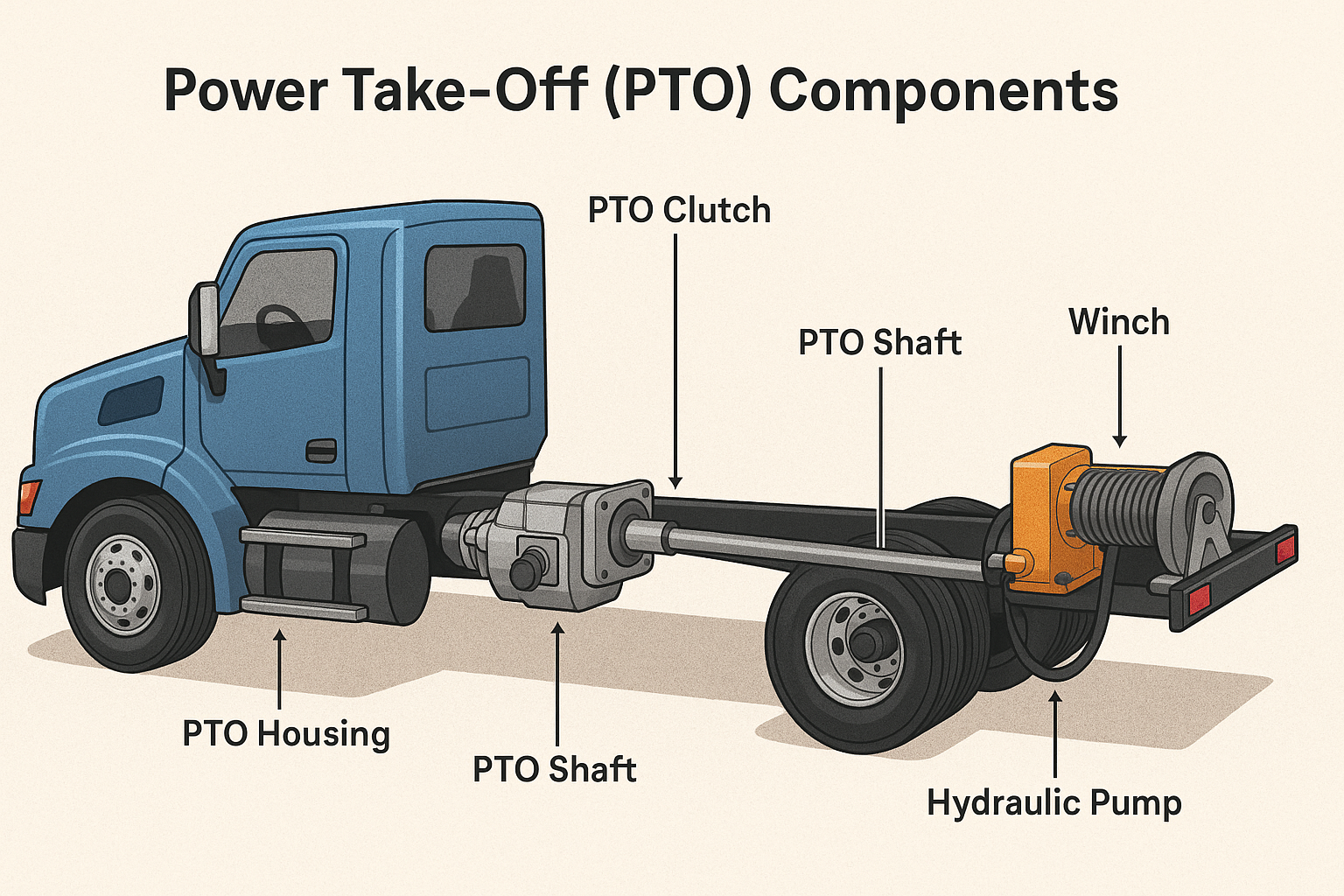
When anyone wonders what PTO Stand for on a Truck, the response is Power Take-Off. This system is a revolution in converting the engine’s energy into mechanical power that works the devices. Without a PTO, the majority of the truck’s components, like hydraulic pumps, winches, or snowplows, would be non-operational. Learning about PTO is of great importance to truck drivers, fleet managers, and maintenance teams, as it directly affects the truck performance and operation overall.
Power Take-Off (PTO) is a system that allows the engine’s power to be connected to external devices. When it is engaged with PTO, the truck attachments power is communicated from the drive train support or the transmission PTO to auxiliary equipment. This allows pumps, blowers, mixers, and other truck parts to work without an extra power source. PTO gear, such as the PTO shaft, PTO gear ratio, PTO clutch, PTO shaft alignment, and PTO housing are parts that guarantee successful PTO power transfer to many devices.
The significance of PTO in truck operations is its capacity to make truck functionality than just driving. Such applications as lifting cargo with hydraulic pumps, clearing roads with snowplows, or powering construction mixers have made PTO applications a must-have in various sectors. In addition to the above factors, PTO systems cut down on time spend, allowing drivers to run other equipment directly off the engine, while in turn helping fleet owners meet productivity and compliance standards.
PTO applications are found everywhere from logistics to construction, agriculture, and municipality services. Some examples include:
- Garbage trucks are equipped with PTO systems to drive compactors.
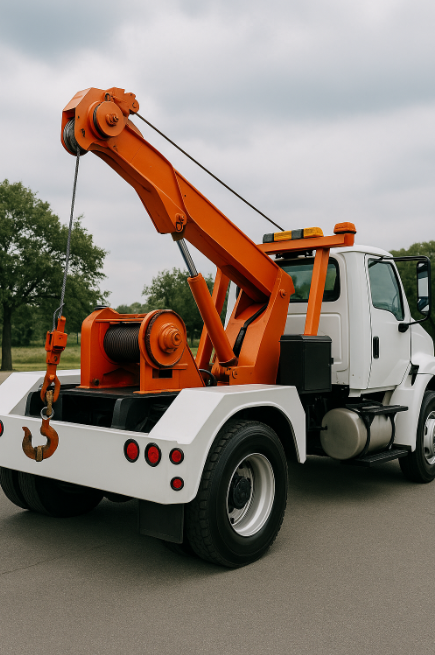
- Tow trucks feature winches that can be powered by engaging PTO.
- Utility vehicles, like crane or lift bucket trucks, are operated on the hydraulic PTO (Power Take-Off).
- Snowplows are mechanically connected or use hydraulic PTO to better road planning.
These applications illustrate how PTO technology is utilized in normal truck operations in various industries.
Some common equipment powered by PTO includes:
- Dump truck hydraulic pumps and hoist systems.
- Winches used in recovery and lifting.
- Municipal trucks with snowplow attachments for winter operations.
- Cement mixers working through PTO activation and controls.
- Vacuum pumps in tank trucks.
- Pump drive systems connected to hydraulic reservoirs via PTO adapters.
The systems for additional equipment use PTO mounting plates, PTO seals, PTO lubricants, and PTO oil cooling for optimal performance.
Mechanical PTOs are directly connected to the transmission PTO or engine driven PTO. They utilize gears and PTO shaft systems to transfer power. They are widely used in heavy-duty trucks where durability and efficiency of PTO are important. It is essential to select the proper PTO size, install it correctly, and align the PTO shaft in order to minimize the risks and make it work properly.
Hydraulic PTO systems employ hydraulic reservoirs, pump drive components,installation and fluid circuits to operate auxiliary equipment. Many construction vehicles, dump trucks, and cranes are using hydraulic PTO because of its reliable functioning and high torque. PTO pressure relief valves and PTO fault codes are monitors of performance for the operators to avoid failures. Performing maintenance bikes that inspection for leaks, Pay-pneumatic oil cooling, and lubrication are paramount.
Pneumatic PTO systems run auxiliary machines using compressed air through pneumatic lines. Although they are less common than hydraulic versions, they are just as effective for light-duty trucks or specialty equipment that requires pneumatic power. PTO Adapters, selector switch controls, and safety measures are there to secure safe operations.
The PTO safety hazards must be dealt with carefully, even though it has advantages. The risks are entangling the PTO shaft, such errors as incorrect PTO sizing that overload the system, and leaking PTO seals. Poor PTO shaft alignment or incomplete safety guidelines can cause accidents. Additionally, PTO hazards occur due to improper forms of PTO engagement such as improper PTO disengagement.
PTO best practices should be strictly adhered to so that the operator and the equipment remain safe:
- Carry out regular inspections on PTO and troubleshooting to identify any sign of wear or damage.
- Train operators under PTO training programs that emphasize PTO safety guidelines and PTO compliance.
- Utilize PTO protective shield devices to guard against accidental contact with the shaft.
- Check PTO fault codes, PTO pressure relief valves, and the PTO operational efficiency indicators.
- Ensure the scheduled PTO maintenance includes the checking of PTO lubrication, PTO seals, and PTO housing.
- Establish a strong PTO disengagement protocol before vehicle motion.
Introducing PTO safety measures to the business, the company cuts down risks and makes sure they comply with the set regulations.
By the addition of PTO systems, trucks are functional for transport beyond just driving. Winches, hydraulic pumps, and snowplows are just a few examples of auxiliary equipment that they hook up to, which then make it possible for service provisioning in a wide array of industries. The first things to do in order to grasp the wisdom of what PTO stands for on a truck are to get familiar with the basic types of PTO—mechanical PTO, hydraulic PTO, and pneumatic PTO—operators and safety issues.
In recent times, the innovations that have come into the field of PTO technology , upgrades have led to greater PTO systems powers. With more improvements in PTO controls like smarter PTO controls, electrical PTO and better PTO selector switch designs, PTO efficiency, PTO systems are the future of PTO technologies. The horizons of PTO expectations are expanding, thus ensuring the rule of PTO in all markets worldwide. The upcoming systems Coming to the future, PTO technology is eying projects like hooking electronic watch, diagnosing if PTO is faulty, and tweaking to align them with PTO rules for better safety and efficiency.
The progress in PTO technology will stay on the path of improving truck functionalities, enhancing PTO safety, and aligning PTO technology with contemporary truck maintenance demands. The next wave of PTO systems will be accessible not only for their excellent performance but also through proper training, inspections, and adherence to safety measures.